

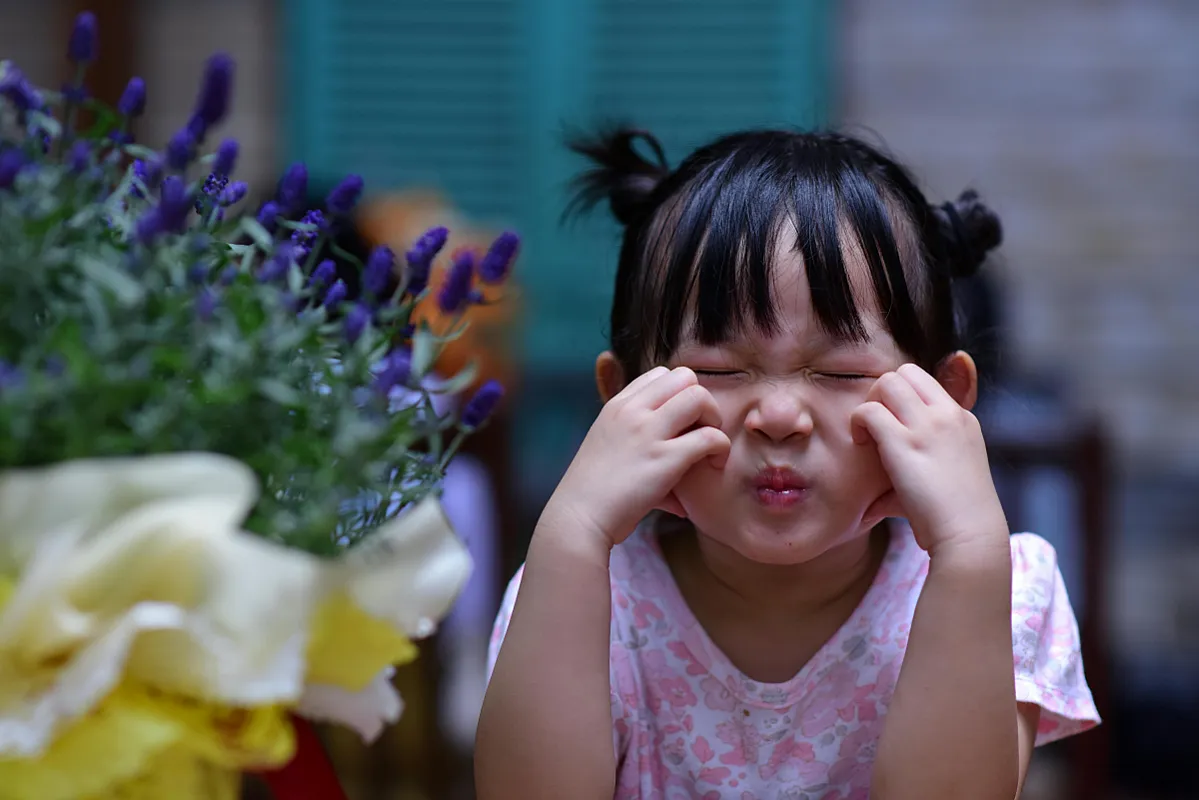
What are they? A child's personality traits are their constant individual characteristics that determine their behavior, emotional reactions, and ways of interacting with the world around them. All children are different: one is always calm, another actively manipulates their parents, a third is obedient, and a fourth cannot control their energy or imagination.
What to consider? These traits manifest themselves at an early age and depend on heredity, environment, and upbringing. It is important for parents to understand and respect their child. This will create favorable conditions for their personal growth, developing their strengths and compensating for their weaknesses.
The importance of understanding a child's personality traits
The characteristics of a child's and an adult's personality are manifestations of individuality in reactions and actions. Some personality traits are inherent in us from the beginning, while others are formed under the influence of the external environment. From the first days of life, a newborn learns to react to everything that happens around them.
The characteristics of a child's character formation depend on their immediate environment. As the Arabic proverb says, you can judge the roots by the branches. In an atmosphere of conflict and swearing, a child grows up to be quarrelsome and aggressive. To ensure that a child's character traits do not interfere with their socialization, surround them with an atmosphere of love and understanding.
By attaching too much importance to heredity, educators justify their pedagogical shortcomings. Education consists of studying the child's temperament and predispositions and instilling patterns of behavior that will allow them to adapt, communicate, and achieve their goals.
It is a mistake for parents to ignore the individual characteristics of their child's personality and apply universal/traditional parenting techniques.
The child's character and temperament require careful study in order to cooperate with them and achieve results.
Identifying a child's character traits
What should you pay attention to when studying a child's character and behavior? The following aspects are important:
- Communication. Observe how the child behaves in a group, how active they are in group games. Perhaps they feel more comfortable alone, in silence?
- Learning, classes. Can the child quickly switch their attention? Do they have enough patience to complete a task? Do they like being in a crowd, or do they prefer to sit in a corner doing puzzles and drawing?
- Emotions. How intensely does the child express their feelings, how often do tears and laughter alternate?
Classification of children's personalities
Previously, educational psychology relied on personality types: sanguine (cheerful, sociable), choleric (sharp, unbalanced), melancholic (sensitive, reflective), and phlegmatic (slow, thoughtful). Modern science recognizes eight personality types.
Hyperthymic
An impulsive, enthusiastic child, full of ideas and desires, easily gets along with people. The downside is inconsistency and restlessness. Upbringing: teach discipline without suppressing initiative.
Introvert
A thoughtful child who is not bored when alone. Pros: developed thinking and creative imagination. Cons: egocentricity, inability to get close to others. Upbringing: motivate them to communicate, instill empathy.
Tense
A meticulous, responsible child. Pros: willpower, organization, seriousness. Cons: demanding, intolerant, irritable. Parenting: instill respect for others and self-control.
Asthenic
Anxious type, prone to stress, sensitive, timid nature. Pros: sincerity, ability to love. Cons: lack of self-confidence, search for support. Parenting: encourage achievements, motivate to take action.
Demonstrative
A child who is aware of their strengths and demands recognition. Pros: charisma, flexible mind, talent for communication. Cons: thirst for leadership, tendency to act inappropriately. Parenting: show that everyone has talents and strengths, teach by setting a good example.
Mood-dependent (emotionally volatile)
An overly emotional, sensitive child who is immersed in their own experiences. Pros: loyalty, ability to give warmth. Cons: mood swings, inability to cope with stress. Parenting: emotional support, increasing stress resistance.
Unstable
A frivolous hedonist who perceives life as a source of pleasure. Completely lacking in discipline. Pros: sense of humor, optimism. Cons: irresponsibility even in important matters. Parenting: show examples of the negative consequences of such an attitude, instill the need for willpower.
Conformist
A child who tries to be "like everyone else," to fit in so as not to stand out (a way of protecting themselves from trouble). Pros: non-confrontational, obedient. Cons: lack of their own position, suppression of their individuality. Parenting: help them overcome their fear of having their own opinion, encourage the development of talents, motivate them to achieve personal goals.
The personality traits of preschool children do not strictly follow this classification. As a rule, a personality combines the traits of several psychotypes.
Characteristics of a child's personality types
Specialists try to accurately use the characteristics of a child's character development so that they correspond as closely as possible to the child's personal character traits and temperament.
Type: active
Extremely active, curious children who, as they say, need to be watched closely. They tirelessly explore the world that is new to them, often at the risk of their life and health. They react violently to prohibitions and take a long time to calm down.
Educational efforts should be directed toward meaningful activities and praising them for their successes.
It is necessary to stimulate their thinking, rational approach, and desire to be useful. Teach your child to assess risk and ask for permission. Activity is a gift that will allow them to achieve a lot in life if they know how to channel their energy in the right direction.
Type: communicative
A character type similar to the active type. Such a child is full of energy and constantly finds ways to use it. Their element is actions and deeds; feelings are much less important. They are devoid of vanity and ambition, and careerism is alien to them. Their main pleasure and meaning lies in constantly learning new things, including about people.
Disadvantages of this type: many plans, little patience and perseverance to carry them out. Such children feel constrained by discipline and schedules. To achieve balance, parents should instill the habit of seeing projects through to completion. To increase perseverance, take breaks during lessons and switch to interesting little things for a short time.
Type: sensitive
Shyness, a delicate nervous system, heightened reactivity, fears, and insecurity all contribute to low self-esteem, phobias, and a fear of making mistakes. Criticism exacerbates their insecurity.
The slightest mistake is perceived as a catastrophe. Such children find it difficult to make friends: they fear ridicule and condemnation. It is difficult for them to feel completely happy and carefree, as is often the case in childhood.
These children feel genuine kindness. Therefore, treat them with true understanding. Punishment, ridicule, and shouting at them are unacceptable. Do everything you can to support their self-esteem and optimism, and praise them fairly. Give examples of when others make mistakes and learn useful lessons from them.
Type: receptive
These are the most problem-free children who do not cause grief to their parents and are adored by educators and teachers. They willingly fulfill all requirements and requests, adhere to the daily routine, wash their hands, do not dirty their clothes, and keep their belongings in order. They like to please their parents and care about their good mood.
The big downside to such a wonderful, easy-going character is a complete lack of initiative and independence. Without clear guidance, they get lost and are unable to find a way out of a difficult situation.
Parents' efforts should be directed toward training them to make decisions and show confidence. Teach children to choose things, gifts, and leisure activities. Give them small tasks that require quick thinking.
Changing a child's personality traits
After learning about the age-related characteristics of children's personalities, some people may think that there are "good" types and "bad," inconvenient, undesirable types. There are parents whose goal is to get rid of those emotional characteristics of their child's personality that they perceive as problematic.
Let's say right away that this is impossible. The traits of a child's character that we want to "erase" are a combination of their natural psychotype and the entire process of development. If we directly interfere with the structure of a child's personality (even with good intentions), we may get a completely unpredictable and unhappy result.
Instead of undermining the foundation of a child's personality with punishment, criticism, and strict control, it is necessary to identify and accept the characteristics of the child's development and personality and use educational psychology to turn them into advantages.
If some of your child's character traits clearly need correction, consult a psychologist to develop a plan for competent, painstaking, and purposeful work. The complexity and subtlety of the intervention require not only great patience and love, but also time, as changes occur gradually.
Each child or student requires an individual approach and methods that take into account all the circumstances that have shaped their negative character traits. The main thing is to remember that this is done for the benefit of the child, not for the convenience of the parents.
Frequently asked questions about the characteristics of a child's personality
It is very important in the process of upbringing not to label children because of certain character traits. Each of us has these traits: we are mixed psychotypes. Adults are able to cope with their shortcomings if they are aware of them.
What is the difference between the concepts of "character" and "temperament"?
A child's character is the result of their interaction with the external environment, people, and circumstances. It is formed through communication, upbringing, and socialization. Temperament is the natural basis of character that we are born with. It determines our activity, emotionality, and reactions.
How does the environment influence a child's character and behavior?
The environment plays a major role in shaping character. A positive cultural environment reveals a child's potential and strengths and teaches appropriate behavior. An unfavorable environment breaks a child's personality and hinders their development and healthy outlook on life.
What are the negative consequences for the psyche if a child's character traits are not taken into account?
Raising a child according to a template leads to the suppression of natural abilities, hinders development and creative potential. The result is chronic depression, low self-esteem, and an inability to fit into society.
When should you seek the help of a psychologist for problems with your child's character?
When the child and parents experience obvious discomfort, when teachers and educators complain about the child, when the child has no friends, is uncontrollable, and nothing makes them happy.
Children should be closely monitored, and their problems, which many parents consider insignificant, should be explored. At the first signs of distress, start working on balancing the "bad" and "good" in your child's personality.

Leave a Comment