

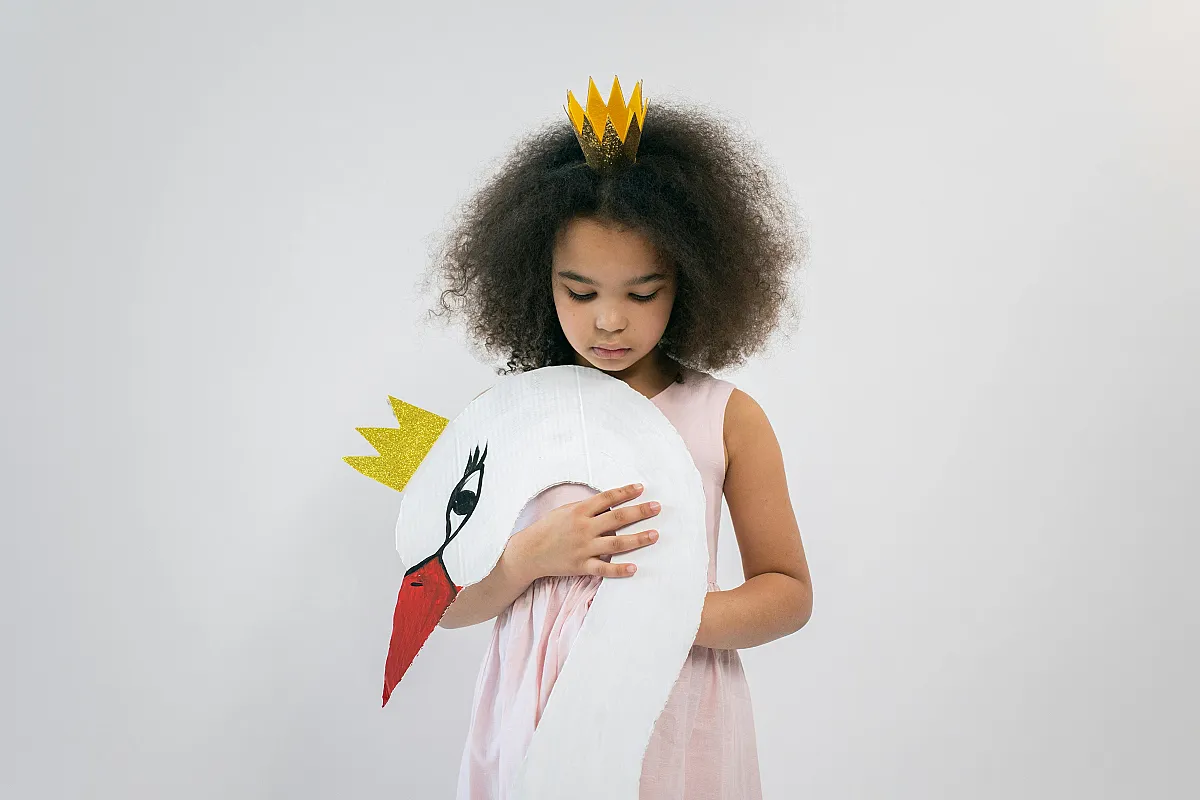
How can you tell? A shy child stands out from the crowd. They are the ones who prefer to stay away from noisy games. But shyness can vary from mild embarrassment when communicating with strangers to a complete refusal to socialize.
What should you keep in mind? Parents often worry about the future of a shy child, fearing that this trait will hinder their development and socialization. However, with the right approach, it can be overcome or turned into an advantage.
The impact of shyness on a child
Shyness is one of the most common problems among toddlers and school-age children. Many parents find that their children feel uncomfortable in social situations and have difficulty communicating with their peers.
A timid, shy child experiences emotional discomfort and anxiety when interacting with strangers. They have difficulty adapting to groups and are afraid of speaking in public. Sometimes shyness can have a number of serious consequences for a person.
Problems with social adaptation
Shy and timid children find it difficult to make friends and build relationships with other people. They tend to avoid social events and active pursuits.
This can affect their performance at school. A shy child is afraid to speak in public, does not want to participate in group projects, and is embarrassed to ask a teacher for help.
Emotional instability
Shy, anxious children often experience stress. This can affect their self-esteem and cause psychological problems.
Low self-esteem
Shy children are sometimes unsure of themselves, prone to self-criticism, and may feel inferior due to difficulties in communicating with others.
Signs of shyness in children
It is difficult not to notice a shy child. At preschool age, they hide behind their mother's skirt. Shy children do not participate in games with other children, preferring to watch them from the sidelines. The main manifestations of this condition are
- Avoiding communication. The child refuses to get to know other children, does not want to visit public places, and does not want to communicate with new people.
- Prolonged adaptation to unfamiliar surroundings. This is a common problem faced by parents when sending a shy child to kindergarten.
- A narrow circle of friends or no friends at all.
- Difficulty asserting their interests.
The main characteristic of a shy child is insecurity in social situations. This can manifest itself in blushing, stiffness, excessive sweating, timidity, touchiness, and compulsive behaviors such as lip biting. Shy children often have difficulty expressing their emotions.
Reasons for a child's shyness
There can be many reasons why a child is shy. The main ones are age, upbringing, temperament, environment, and family circumstances. All children show shyness and wariness at certain periods of their lives.
The first stage is characteristic of early childhood (around 8 months). During this period, a child may be afraid of strangers, such as a grandfather they haven't seen in a long time. The baby's nervous system is developing. Periods of shyness may alternate with periods of openness: at 1 year old, then closer to 3 years old, when the child begins to separate more strongly from the mother.
Shyness can become entrenched if these stages are accompanied by severe stress or external circumstances. For example, a child may have been sent to kindergarten when they were not psychologically ready for it.
Parents of a shy child who took a long time to get used to preschool should expect difficulties with adaptation in the early grades.
Psychological reasons:
- Constant control by adults hinders the development of independence.
- Overprotection. This is another extreme. The child perceives the world around them as hostile. This reinforces shy behavior as a habitual response to all new circumstances.
- Comparison with other children and criticism. When working with shy children, psychologists note that constant comparison is the basis for the formation of complexes. From an early age, the child hears that they need to be better and realizes that they do not measure up to this standard. Parents may criticize more often than praise for successes and achievements. In such a situation, the child begins to withdraw and show timidity.
- A dysfunctional family. The child develops feelings of shame and guilt, which affect their relationships with others.
Age-related characteristics of shyness
Shyness has specific characteristics at different ages. Toddlers are afraid of strangers, do not want to be separated from their mother, and feel anxious in new circumstances. In kindergarten and early school age, children show shyness:
- when communicating with unfamiliar children and adults;
- during public performances;
- in games that require interaction with other children;
- in new groups of peers.
Shyness in adolescence is often more pronounced, as individuals become independent and establish communication with their peers without adult support.
Advice for parents of shy children
Recommendations for parents of shy children:
- If your child is 2-3 years old:
Remember that you are responsible for your child's safety. Let your child look around and get used to the situation. Hold them in your arms or on your lap. This will give them a sense of security.
- If your child is 4-5 years old:
Shy preschoolers need to be given the opportunity to develop social skills in real-life situations: talking to relatives on the phone, saying "thank you" and "please" in stores, etc. At this age, children actively interact with other children at nursery and on walks. Teach them to introduce themselves, initiate games, join others, and be friendly.
- If your child is 6-7 years old:
Invite guests to children's parties at your home. Even a very shy child feels confident within the familiar surroundings of their own home. It is easier for them to establish contacts in a familiar environment.
When choosing activities for a shy child, consider their interests. They will enjoy playing their favorite games with other children.
Ways to support a shy child
The human psyche is such that shyness helps us take time to orient ourselves in circumstances. Let's talk about what parents of shy children can do.
First of all, stop being shy yourself. Think about how often you start to worry when your child is shy and embarrassed in the presence of strangers. Are you concerned that those around you will consider them underdeveloped or poorly behaved? Keep in mind that children read their parents' emotions.
This puts extra pressure on them and makes them even more timid and nervous. Shift the focus from nervousness to showing approval and support. This will help your shy child find common ground with those around them and cope with their emotions.
Try to see the situation through your child's eyes. Imagine: you are 4 years old and your parents ask you to sing a song in front of numerous relatives at a family celebration. Everyone is looking at you intently. You are seeing many of them for the first time.
Feelings of anxiety, confusion, excitement, and even irritation are a natural reaction to the circumstances. You don't understand why you have to perform at all. It's much more interesting to play your usual games in your room. At consultations for parents of shy children, psychologists advise making the child's world predictable and safe. This will reduce anxiety.
Try to minimize surprises in your child's life. Tell them where you are going and what awaits them there. If you have invited guests, your child should know about it. If strangers are coming, tell them about them.
For example, where you met them, some interesting facts about the guests. You can show photos. This way, the arrival of strangers will not be a surprise for the child. They will feel more confident.
Help a shy child navigate the feelings and actions of other people by reading books, watching cartoons, and playing role-playing games. For example, "the puppy can't catch up with the cat because he's afraid he won't succeed" or "the bear cub came to visit and is shy because he doesn't know anyone." Give your child the opportunity to play different roles and work together to find a way out of difficult situations.
When interacting with unfamiliar people, do everything you can to make them feel safe. Stop others from teasing your child or discussing them in front of them. Say directly, "They need time to get used to things. They haven't seen you in a long time."
Do not emphasize your child's shyness. Keep in mind that simply telling your child "don't be shy, don't worry" is useless. Under no circumstances should you apologize to others for your child's shyness. No one needs that kind of reputation.
If your child's shyness is the result of a bad experience, help them get through it. Explain that no one can always be successful and that everyone has the right to make mistakes. Remind your child of their strengths and tell them how much you love and are proud of them. Don't expect instant results. No matter how shy your child is, they will eventually become more confident with the support of their parents.
There is a point of view that "shock therapy" will help overcome shyness. Psychologists do not recommend deliberately exposing a shy child to stressful situations. For example, forcing them to perform on stage. Do not compare them to other children or shame them for their timidity. This will cause the child to lose trust in their parents and the whole world.
The main thing is not to fixate on your child's shyness. If a child is shy, it does not mean that they will grow up to be an outsider. Modesty is not an obstacle to success. Not all problems in life can be solved with assertiveness and self-confidence.
It is important for children to be surrounded by loving, kind, and accepting people who value them as individuals. The best thing parents can do is to see their child's individuality, support them, and give them the opportunity to express themselves.
Frequently asked questions about shy children
A shy child can grow up to be a confident adult if their parents support them. In some cases, professional help may be needed.
When is shyness a bad thing?
If it is a character trait and a typical reaction to new circumstances. In this case, a shy child constantly experiences anxiety during social interactions. They are always worried that they will be criticized, ridiculed, or hurt. Such children tend to avoid communication and not attract attention to themselves.
What does a psychologist's work with a shy child involve?
A specialist can determine the degree of shyness and assess the need for professional help. Therapy can change negative attitudes and behaviors associated with shyness.
Sometimes group work is recommended for shy children. This type of therapy provides a safe social environment in which children learn to communicate and receive support.
What are some ways to prevent shyness in young children?
Encourage the development of communication skills in your child. Read books, play role-playing games, and create opportunities for social interaction. Encourage initiative and independence. Teach your child to make decisions and take responsibility. This is how self-confidence is formed.

Leave a Comment