

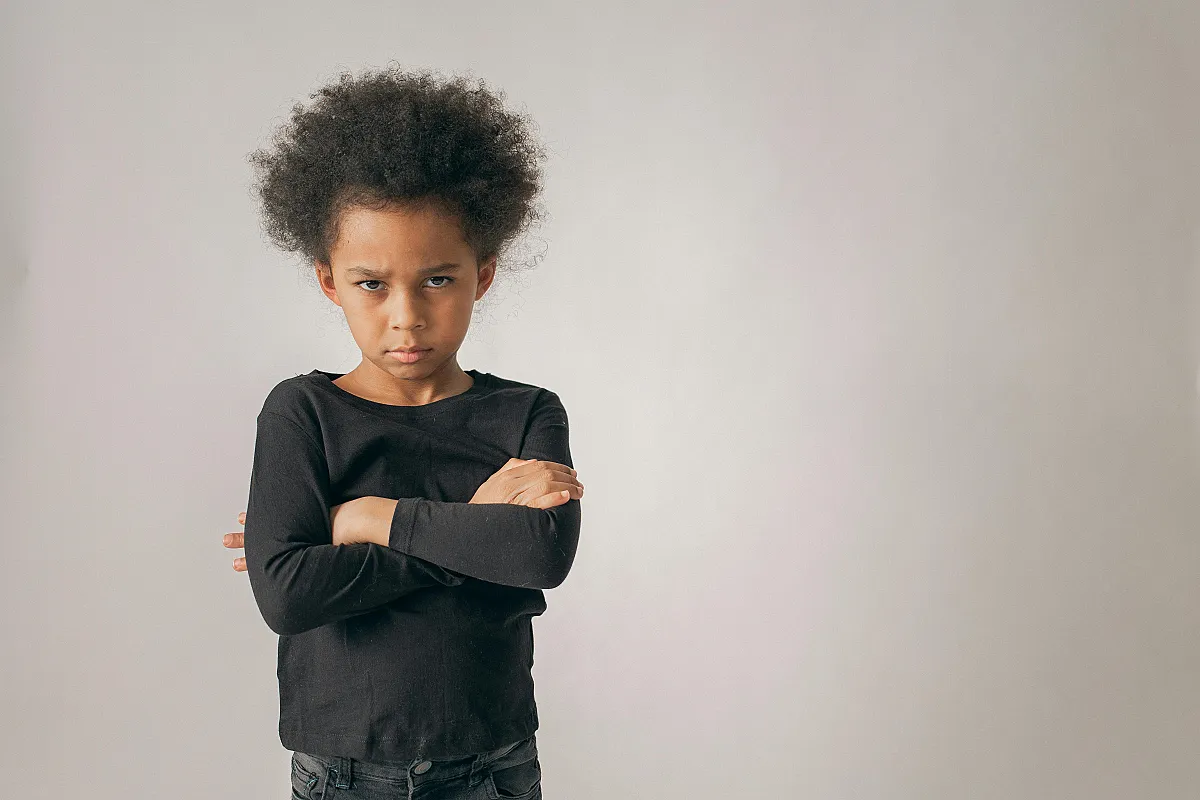
Often parents are baffled by an angry tantrum in their child. What is anger, why it manifests itself in young children and how to behave correctly to parents.
Anger is one of the main emotions that all people experience without exception. Like any emotion, it is both beneficial and harmful.
The positive impact of anger:
- the psyche is unloaded, emotions do not accumulate, and spill out;
- There is a surge of strength, excitement;
- There is fearless;
- The protective mechanisms of the psyche are activated.
Anger, as a marker, shows what we do not like and gives strength to change the situation for the better.
Negative consequences of aggression:
- The relationship with others is ruined.
- the need to be responsible for causing harm to the offender or his property, hysteria,
- Autoaggression (anger directed at oneself) may occur.
It is useless to forbid a child to be angry. It is better to teach him to understand such states in himself and others and to properly get out of difficult situations. First, let’s understand the causes of anger.
Causes of aggression in children
Child psychologists identify 3 main reasons for this behavior:
- reaction to the dissatisfaction of acute need: caresses, protection, food, sleep, desired toys;
- The “cry of despair” manifests itself when the child has tried all the usual ways to satisfy his need and feels that he is powerless and cannot cope himself.
- “learned strategy of behavior”, if once managed to fulfill his desire with the help of an evil tantrum, then the child will use this method further.
How can you calm a child quickly?
General rules:
- Don't get angry back. Your reaction to aggression teaches your child how to behave in such situations. And if you respond with anger to anger, the child will do the same.
- Express your feelings and provide emotional support. “I understand your anger,” “You’re angry right now because....” It’s not always easy for a child to tell you what upset them so much.
- Use tactile contact. Give your child a hug and tell them you love them, even when they are angry. If the child breaks out and refuses, then continue offering him: “Come, I will feel sorry for you”, “Come on, I will hug you”.
- Pay no attention to those around you. At the moment, normalizing the child’s condition is more important than ensuring the comfort of strangers. At this moment, be on the side of the child, you are his protection and security guarantor.
- Wait for the decline of the emotional heat of tantrums and discuss with the child the situation. Choose a place where no one will disturb you. Sit on the same level as the baby. Ask your child what happened, how the problem could have been solved, and what to do next time the same thing happens.
Anger gives a huge burst of energy, which is better redirected to a peaceful channel.
With young children, you can start an active mobile game: Catch up or a joke fight. The positive effect is to allow the child to scream for pleasure. Of course, it is better to do this in nature, i.e. where there are no strangers. Evening baths with pharmacy chamomile have a general sedative effect.
In middle age, children begin to be involved in sports: football, running, jumping, enter a competitive moment. To relieve anger, you can offer to beat a pillow or tear up unnecessary newspapers. Such activity is useful in the morning, and before putting to bed it is better to use calm games for relaxation.
Aggression in older children is well removed by sports training, dancing, competitions, i.e. any physical activity where you can throw out the accumulated adrenaline and at the same time get good results in the form of prizes or sports achievements.
How else to help a child
Here are some practical tips that parents can use to reduce the aggressive manifestations in the character of the child.
- Art therapy. Ask your child to draw their anger. Let him choose pencils or paints, color and size of the drawing. Let him put all his emotions on a piece of paper. And when the drawing dries, invite the child to break it and get rid of anger forever.
- Hygiene of the information space.Pay close attention to what your child sees, hears, reads and sees. Children involuntarily copy the behavior of others. Eliminate negative examples from your environment.
- Play therapy. Take a bucket and a piece of paper. Tell him you're going to put all your anger in the trash. To do this, ask the child to tear the sheet into pieces. Then let him take one piece of paper and throw it in a bucket with the words: "I'm angry with my dad for being ..." etc. And then solemnly throw all the anger into a large container.
How to Prevent Aggressive Behavior
As a prevention of aggressive behavior, psychologists recommend paying attention to the following points:
- Show positive emotions towards the child. Show him your love, hug him, hold his hand, take care of his well-being.
- Love your child unconditionally. It’s not because he’s a good student or because he’s ranked first. Because he was born into your family. It's your personal happiness. Create a feeling in your child that you will still love and support him, no matter what he did.
- Eliminate physical punishment from family methods of education. Such methods of influence will only anger the child even more. Trust between you will be lost, there will be secrecy, fear and retaliatory aggression.
- Make sure your demands are not at odds with your behavior. If the mother does not allow you to be angry, and she constantly raises her voice, then it is unlikely that upbringing will be successful.
- Listen to the child, answer his questions and consider his opinion. A child who is heard and respected has nothing to be angry about.

Leave a Comment