

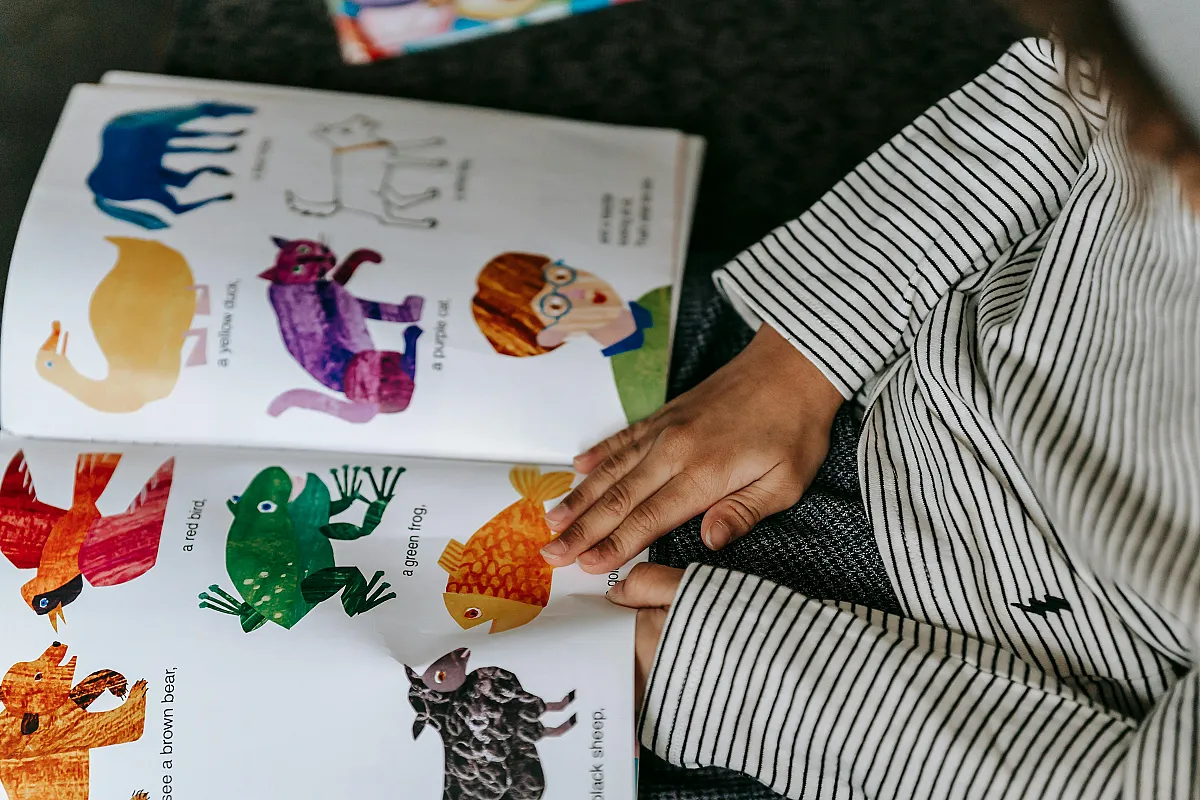
The time is approaching when your child will go to first grade, and one of the key skills he will have to master is reading. How do you know if your child is ready for this important step? How can you, as a parent, help them along the way? Early learning to read is not a race, but a systematic process that should take into account the individual characteristics and interests of the child.
What is "Readiness to read"?
Readiness to read is a complex concept that includes not only the knowledge of letters, but also a number of other skills and prerequisites:
- Fonematic hearing: It is the ability to hear, distinguish and analyze individual sounds (phonemes) in words. A child with well-developed phonemic hearing can determine what sound a word begins with, highlight all the sounds in a word, change the order of sounds, etc. This is one of the most important indicators of readiness to read syllables.
- Speech development: A good vocabulary, the ability to build sentences, retell stories and understand what is heard - all this creates a solid basis for mastering reading.
- Knowledge of letters and sounds: The child may not know all the letters of the alphabet, but it is important that he understands the connection between the letter and the corresponding sound.
- Visual perception: The ability to distinguish similar letters (for example, "b" and "d", "p" and "t"), to recognize the whole words (visual images of words).
- Persistence and concentration: Learning to read requires a certain amount of patience and the ability to focus on a task.
- Interest in reading and books: If a child shows interest in books, enjoys listening when he reads, looks at pictures and asks questions, this is a huge plus.
How to determine the readiness of the child?
There is no single reading test, but you can watch your child and do simple play exercises.
Assessment of phonemic hearing:
- Ask your child to identify the first sound in the word ("Cat" - "C").
- Name a few words and ask which word has a specific sound ("In which word do you hear the sound 'C': house, forest, cat?").
- Ask to divide the word into sounds ("CAT" - "C", "A", "T").
- Suggest "remove" the sound from the word ("Remove the "C" from the word "Cat" - you get "From").
Assessment of the knowledge of letters and sounds:
- Show the letters and ask what they are called and what sound they mean.
- Show simple words (e.g., "Cat", "Dog") and ask what letters are in them.
Assessment of speech development:
- Ask to retell your favorite stories or cartoons.
- Ask questions about the books you read to check your understanding of the plot.
Evaluation of interest in reading:
- Watch how your child relates to books. Does he often ask you to read? Is he looking at the pictures himself?
- Do you notice signs on the street, in shops?
How can I help my child on the way to reading?
If you see your child showing signs of readiness or simply interest in reading, your support will be invaluable.
Develop phonemic hearing through games:
- Play "sound" games: "I see something with the letter 'C'..."
- Use rhymes, tongue-twitters, songs - they perfectly train the ear.
- Divide words into syllables, clapping your hands.
Get familiar with the letters and sounds in playful form:
- Sculpt letters from plasticine, draw them, lay out from pebbles or twigs.
- Use letter cubes, magnetic alphabet.
- Create "invisible letters" (written with milk, which manifests itself when heated).
- Read books with large letters, where there are captions under the pictures.
Read to your child every day:
- This is the easiest and most effective way to instill a love of books and reading.
- Discuss what you read, ask questions, and ask for predictions about what will happen next.
- Show your child how you read (newspapers, magazines, books).
Create a reading atmosphere at home:
- Let the books be freely available.
- Organize a cozy reading area.
- Visit the library regularly.
Don't push or compare:
- Every child develops at their own pace. Do not compare his success with other children.
- Learning to read should be a positive experience. Avoid coercion and negative comments.
- Praise your child for their efforts, even if things don’t work out right away.
Use a variety of materials:
- Cards with letters and syllables, alphabets, letterers, developing prescriptions.
- Games on a computer or tablet aimed at learning to read (under your control).
It's important to remember:
- The optimal age to begin targeted reading training is 5-6 years, when most children develop the necessary level of phonemic hearing and other prerequisites.
- Early learning to read (up to 5 years) is possible, but only in a playful form and if there is a expressed interest in the child.
- The main goal is not to teach the child to read as early as possible, but to instill in him a love of reading and make this process interesting and joyful.
Understanding your child’s readiness to learn to read and your active but unobtrusive support will be key to their successful mastery of this important skill. Be patient, creative and enjoy this amazing journey with your baby.


Leave a Comment