

«My child is not interested in books at all and doesn’t want to learn to read!» – these are the most common requests parents come to our school with. What are the most common reasons that prevent children from showing interest in reading, and what can parents do in these cases? Let’s figure it out in this article.
⠀
4 reasons why a child might dislike reading
Temperament type
Results in learning to read can depend on how quickly a child processes information. Calm children (phlegmatic) find it easier to learn than choleric ones. However, on the other hand, they need a little more time to absorb the material. Hyperactive children grasp information faster, but it also fades quickly.
Psychological and physical development characteristics
A child’s ability to learn does not depend entirely on intelligence. It is very important how the child’s brain hemispheres interact at the time of learning, how they navigate space, which hand is dominant, and how they see and hear.
Certain brain function peculiarities in a child, such as dyslexia, poor vision, or hearing, can interfere with normal learning.
Forcing without any interest
If you force a child to learn to read, they will resist and do it with great reluctance.
At such moments, a subconscious association forms: reading is torture, reading interferes with playing, watching cartoons, and doing what they enjoy. If you constantly force a child to read, progress in learning will be very slow, and in the future, they may not read books at all because it will be associated with something unpleasant.
Wrong approach to learning
Sometimes a child doesn’t want to learn to read because they find it boring to study with a primer or flashcards. The parents’ task is to understand the reason why the child doesn’t want to learn to read and, based on that, approach further learning correctly.
Tips on how to help a child become interested in reading
It’s never too late to start instilling a love of reading in a child. Below are recommendations that will help you with this.
1. Let the child choose books they would like to read when they learn
This approach gives children a sense of being grown-up and independent, and also fosters responsibility – I bought it myself, so I will read it myself. The most important thing in this approach is that the child is genuinely interested in these books and wants to read them as soon as possible. And you create intrigue by saying: «I won’t read it to you. When you learn, you’ll read it yourself.»
2. Spend at least 30 minutes a day reading together
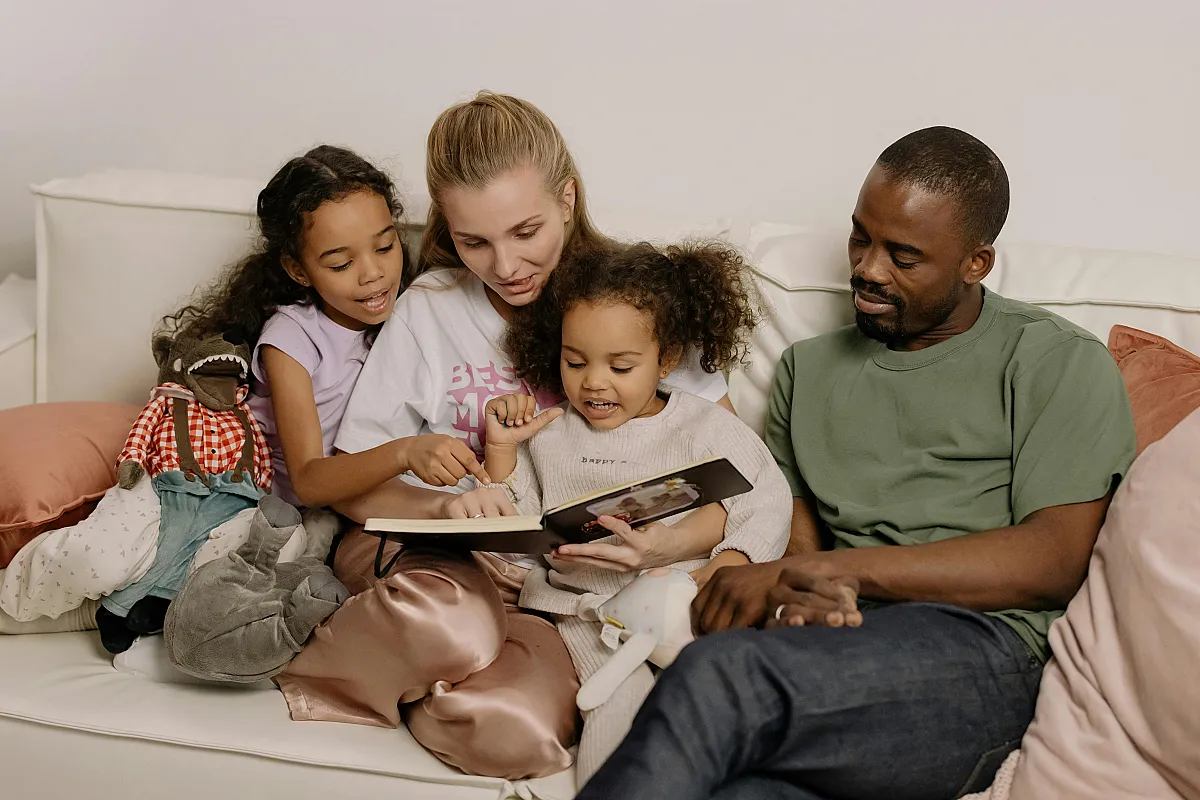
Read before bed, while playing, and show pictures in books and magazines more often, explaining what is written there. This not only forms a reading habit but also creates pleasant moments of shared leisure that you will remember fondly when the child grows up.
3. Discuss what you’ve read
This approach helps develop the child’s imagination, making it easier for them to transition to conscious reading (reading = understanding) during reading lessons. Understanding what is read is the first step toward a love of books.
4. Get an e-reader
It will allow you to always carry interesting books with you that can occupy the child at any moment, for example, in transport or in a queue.
5. Set an example whenever possible
It’s simple. Children always imitate their parents. The more often a child sees you with a book, the sooner they will want to follow your example.⠀
How to properly teach a child to read
Below are the key points that parents should consider before starting to teach their child letters.
Prepare the child for reading in advance
For reading to come easily, the child should have developed auditory and visual perception, memory, attention, speech, and thinking. Don’t force, but engage.
Teaching preschool and early school-age children should be done in a playful manner. A child is always interested and engaged in play, so the results in learning are noticeable very quickly.
Find the learning method that suits your child specifically
One child may respond well to Zaitsev’s tables and cubes, another to a primer, and a third may only show results with individual lessons from a teacher. And that’s normal. Don’t give up and keep trying – you will definitely find the right format for your child.
Teach the child at a pace that matches their age, temperament, and current level of intellectual development
Some children can read fluently and understand the meaning at the age of five, while others still have their mothers reading literature stories to them in the third grade. This is also normal. Don’t rush your child and never scold them for mistakes. Let them learn at a comfortable pace and receive your approval for every small success.⠀

Leave a Comment