
How to ensure the cybersecurity of the child
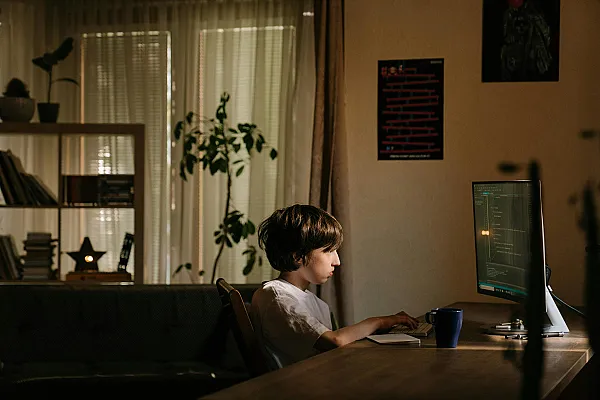
Cyberbullying, scams, inappropriate content – being online is not always safe for children. Let’s take a look at how parents can provide cybersecurity for their children.

Practical parenting advice and tips for raising happy, healthy children.
98 posts in this category
Cyberbullying, scams, inappropriate content – being online is not always safe for children. Let’s take a look at how parents can provide cybersecurity for their children.
In today’s world, we face a huge flow of information. One information is useful, interesting, the other is harmful, false and manipulative. Today, fakes lie in wait for us everywhere: on the Internet, social networks, the media, there are few and well-known people in stories. They affect our opinions, behaviors, emotions, as well as our health and safety. How to teach a child to distinguish truth from fake? How can you help them develop critical thinking, ability to analyze and verify information? Let's find out in this article.
Do you want to be not only a parent, but also a friend to your child? Do you want to know how he feels, thinks and dreams? Then this article is for you! We have collected 10 questions that will help to better understand the inner world of your child and establish a trusting relationship with him.
Social intelligence is the ability to interact with others, understand their emotions, and feel comfortable in different social situations. For children, it is the ability to play with other children, share toys, understand the emotions of their friends and resolve conflicts.
All children love bedtime stories! Kind and instructive stories help to calm down quite quickly and prepare for sleep. They also develop imagination, language, memory, logic, emotional intelligence and creativity. Let’s take a closer look at the benefits of magic stories for children of different ages and give some tips on how to choose and read fairy tales before bed.
Choosing a math course isn’t just about choosing a curriculum, it’s a valuable investment in your child’s future. Mathematics underlies many aspects of our lives and can become the foundation for the development of logical thinking, attention and memory. But how to choose a course that will bring the maximum benefit to the child? Let’s look at the key points that are worth paying attention to.
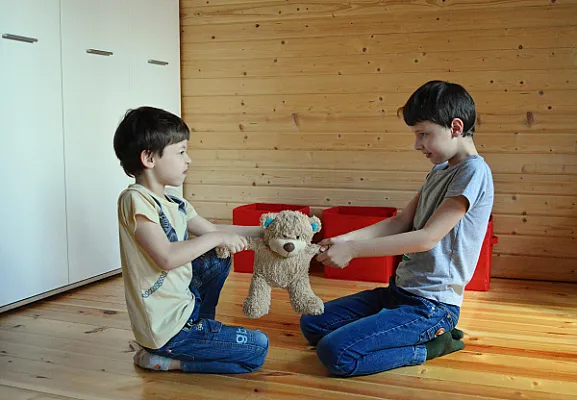
Conflict between children is a natural part of their development, especially at a young age. Parents often face a situation where children quarrel, swear or cannot find a common language. In such cases, the question arises: how to properly help children resolve the conflict without destroying their independence and without creating a false idea that it is necessary to reconcile only by order? In this article, we’ll show you how to teach children how to resolve conflicts constructively and why it’s important not to intervene too harshly.
The time is approaching when your child will go to first grade, and one of the key skills he will have to master is reading. How do you know if your child is ready for this important step? How can you, as a parent, help them along the way? Early learning to read is not a race, but a systematic process that should take into account the individual characteristics and interests of the child.
Parents are the first and most important teachers in a child’s life. Everything we do, our words, our actions and even our habits, directly affect how our baby grows up. How to raise a child independently? How can he learn to make decisions, solve problems, take care of himself and be confident in his abilities? The answer is simple: start with yourself!
A person who is naturally endowed with special qualities or one who has been properly educated? Both are true. Only a natural tendency to leadership can be ruined from childhood by improper upbringing.
It seems that children grow up so fast – they go to school, make friends, build their own small worlds. At the age of 5-10 years, the child begins to look for his place, learns to understand himself and others. And at this important time, he needs our love and support more than ever.
In today’s world, technology surrounds children almost everywhere. Smartphones, tablets, educational games – all this has become a familiar part of their lives. According to studies, children 4-8 years old spend an average of 1 to 2 hours a day at the screens. But how exactly does technology affect a child’s upbringing and development at this age? How not to miss the important and use gadgets usefully? We'll work it out together.