

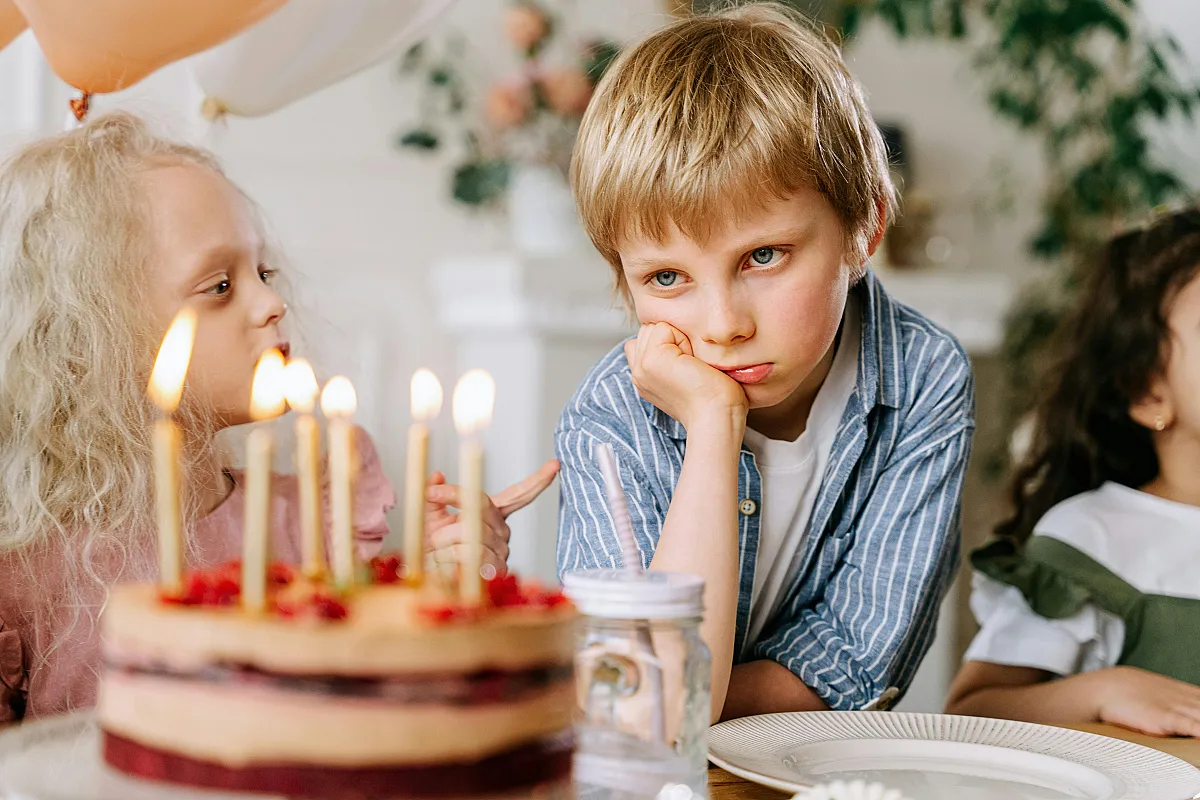
The child has become irritable and is not interested in their favorite activities. Their academic performance has declined, and homework often remains unfinished. This may be emotional burnout, not temporary fatigue.
Emotional burnout affects personality development and overall mental state, making it difficult to cope with challenges and enjoy life. How can you understand what is happening with your child? Can burnout be prevented or dealt with once it arises? In this article, we will examine the signs of childhood emotional burnout, its causes, and provide practical recommendations for parents.
What is emotional burnout in children
Emotional burnout is a state of physical and psycho-emotional exhaustion. The main causes are prolonged stress and overload. The child becomes passive. Interest in studies and favorite activities disappears. Difficulties with concentration arise.
Childhood emotional burnout has its own characteristics. A child cannot always verbally express what they feel. As a result, changes in behavior, emotional outbursts, or somatic symptoms begin to indicate the problem.
Emotional burnout can affect children of any age, starting from elementary school. Core and extracurricular activities, clubs, and competition with peers lead to the child living in a multitasking mode. Sooner or later, the pressure and stress reach a critical level.
It is important to understand that burnout is not a sign of weakness. It is a signal that the workload exceeds the child's capabilities.
How emotional burnout manifests in children
Experts identify several signs that help recognize the problem. Symptoms of emotional burnout can manifest differently depending on the child's individual characteristics and age.
Emotional changes
The child becomes irritable or, conversely, indifferent to everything happening. Nothing brings them joy. Emotional swings are also characteristic: joy suddenly turns into sadness or aggression.
Increased anxiety about school, apathy toward favorite activities, and a sense of helplessness before tasks may be noticed. Children may complain of boredom even during interesting events. Emotional instability becomes especially noticeable in familiar situations that previously did not cause strong reactions.
Behavioral changes
With emotional burnout, interest in studies, hobbies, and communication with friends sharply declines. The child begins to avoid contact, preferring to spend time alone. Signs of procrastination may appear: postponing important tasks, not completing homework. In response to simple, familiar requests, you hear "I won't," and minor comments may bring tears. Such behavioral changes are particularly noticeable.
Physical manifestations
Burnout is often accompanied by headaches, sleep disturbances, and appetite problems. The child complains of constant fatigue even after a full rest. Their immunity decreases, and colds become more frequent.
Physical symptoms may be the only manifestations of burnout in children, especially younger ones. They cannot always explain their emotional state, but the body signals the problem through somatic symptoms.
Main causes of emotional burnout in children
Burnout in children does not occur suddenly—it is the result of prolonged exposure to various stressors. Understanding the causes will help parents recognize risks in time and take action.
Academic factors
The modern education system places high demands on students. A packed curriculum, a large number of subjects, and exam preparation create pressure. Children must keep up with the material at the pace required by the school and understand the grading criteria.
Competition among classmates, especially in higher grades, creates additional stress. Constant comparisons with other children foster a sense of inadequacy in those who are not among the leaders.
Family relationships
The expectations of loved ones are one of the main causes of burnout. When adults expect only excellent grades or success in sports from a child, it creates chronic stress. If the child does not feel understood and accepted as they are, the emotional burden increases.
Overprotection can also lead to burnout, especially in teenagers. When parents excessively control every step of the child, they do not develop the ability to cope with difficulties independently.
Personal factors
Some children are more prone to burnout due to personality traits. Perfectionism and the desire to do everything perfectly create constant tension. Such children with the "excellent student syndrome" fear making mistakes and spend too much energy on completing tasks.
Increased responsibility also leads to emotional exhaustion. The child takes on more obligations than they can handle. They do not know how to say "no" and refuse additional burdens.
Stages of burnout development in children
Emotional burnout in children develops gradually. If the problem is noticed in time, measures can be taken before the condition becomes critical.
First stage: increased activity
The child is full of enthusiasm, actively participates in school life, attends many clubs and sections. They try to meet all expectations, devoting a lot of time to their studies. At this stage, burnout is not yet noticeable—on the contrary, those around them praise the child for their activity.However, the first warning signs are already appearing. The child may complain of fatigue but continues to work at the same pace. Sometimes mild anxiety arises, which seems insignificant.
Second stage: first signs of exhaustion
Enthusiasm begins to decline, but the child continues to fulfill all their responsibilities. Irritability appears, especially when something doesn’t work out the first time. Sleep problems may arise—the child has trouble falling asleep or wakes up tired.
At this stage, children often start complaining of boredom, saying that nothing interests them. The quality of task performance decreases, although the child continues to try.
Third stage: chronic exhaustion
Fatigue becomes a constant companion. The child struggles to get up in the morning, complains of feeling unwell. Academic performance drops sharply, conflicts with teachers and classmates arise. At home, the child becomes capricious and may throw tantrums over minor issues.
At this stage, psychosomatic symptoms often develop—headaches, stomachaches, frequent colds.
Fourth stage: complete burnout
The child completely loses interest in school and favorite activities. They may refuse to go to school, show aggression, or, conversely, fall into apathy. Social interaction is disrupted—the teenager isolates themselves from peers and avoids communication with family.
At this stage, there is a high risk of developing depression, hyperanxiety, and feelings of inadequacy may arise.
How childhood burnout differs from ordinary fatigue
Many parents confuse emotional burnout with ordinary childhood fatigue. However, fatigue goes away after proper rest, weekends, or vacations. With burnout, rest doesn’t help—the child continues to feel exhausted even after a long break.
Fatigue is usually tied to a specific situation—a difficult test or a stressful week. Burnout, on the other hand, affects all areas of the child’s life, including relationships with friends and family.
With ordinary fatigue, interest in favorite activities remains. A child may be tired of lessons but will still happily go play soccer or draw. With burnout, interest in everything that once brought joy is lost.
Features of emotional burnout in adolescence
Adolescence is a time of serious physiological and psychological changes. At this age, burnout can manifest particularly acutely and has its own specific characteristics.
Hormonal changes intensify emotional instability. What a teenager once handled easily may now cause severe stress. Mood swings become more pronounced, and stressful situations are harder to endure.
Social pressure in adolescence is especially high. Peer opinion becomes critically important. The fear of rejection increases anxiety. Teenagers begin comparing themselves to others, which can lead to feelings of inadequacy.
The situation is complicated by the fact that teenagers often don’t know how to ask for help. They see it as a sign of weakness and hide their problems from their parents.
How to help a child cope with emotional burnout
Parents can help their child cope with emotional burnout and prevent it in the future. To do this, all aspects of the child’s life must be considered—from their daily routine and workload to their psycho-emotional characteristics.
Step 1. Create a supportive environment
The atmosphere at home should help restore the child’s emotional resources. Avoid excessive criticism and comparisons with other children. Instead of saying, “Why can’t you do it?” it’s better to say, “Let’s figure out how we can improve the situation.”
It’s important to show the child that they are loved not for their achievements but simply because they exist. Regularly express your love and pride in them as a person, not just for their academic or athletic success.
Create relaxation zones at home where the child can unwind without external pressure. This could be a cozy reading nook or a space where they can engage in creativity without being judged on the result.
Step 2. Reassess workloads and routines
Analyze your child’s schedule and honestly assess whether it’s too packed. Quality is more important than quantity—it’s better to enjoy two activities than to do five just because you have to.
Ensure they get enough sleep. Younger schoolchildren need at least 9–10 hours of sleep, while teenagers need 8–9 hours. Lack of sleep significantly increases stress and reduces the ability to cope with challenges.
There should be time in the week for school, extracurricular activities, rest, and family time. Don’t try to fill every minute with productive activity.
Step 3. Teach the child self-regulation techniques
Help them master simple stress-relief techniques. Breathing exercises, progressive muscle relaxation, and meditation are suitable even for younger schoolchildren in adapted forms.
Teach the child to recognize signs of fatigue and stress in their body. Explain that feeling tired is a normal signal that it’s time to rest, not a reason for self-criticism.
Develop age-appropriate planning and time management skills. This will help your child feel more in control of their life and reduce anxiety.Step 4. Work with emotions
Encourage your child to express their feelings in words. Regularly ask not only about what happened at school but also about the emotions they experienced throughout the day. Teach them to understand and name their emotions. Explain that all emotions are important. Anger, sadness, and anxiety are not "bad" feelings that need to be suppressed. It's important to learn to recognize them and find ways to express them.
Be a role model for a healthy attitude toward stress. Show your child how you cope with difficulties, talk about your feelings, and demonstrate relaxation techniques.
Don't dismiss your child's concerns with phrases like "it's nonsense" or "there's no need to be upset about that." For them, their problems are truly serious, and your task is to help find constructive ways to solve them.
When professional help is needed
Sometimes family efforts are not enough to overcome burnout. It's important to seek professional help in a timely manner to avoid missing the moment and preventing the development of more serious problems.
Consultation with a specialist is needed if burnout symptoms persist for more than a month despite the measures taken. Prolonged decline in academic performance, constant conflicts at school or home, and social isolation are serious causes for concern.
A psychologist or psychotherapist will help identify the root causes of burnout and teach the child how to cope with stress. Family therapy can be useful for improving intra-family relationships and creating a supportive environment.
Sample plan for a child's recovery from burnout
Recovery from emotional burnout is a process that takes time and patience. Act step by step and don't rush things.
The main task is to meet the child's basic needs. Normalize their sleep schedule, ensure regular meals, and temporarily reduce additional workload. Create a calm atmosphere at home, avoid criticism and pressure.
Gradually introduce enjoyable activities that don't require much effort. This could be watching favorite movies, drawing, or listening to music. It's important that the child chooses what to do themselves.
Carefully resume usual activities but with less intensity. Pay attention to the child's reaction—if signs of fatigue appear, reduce the workload again.
Gradually increase activity to a normal level, but make sure not to repeat past mistakes. Regularly discuss the child's condition with them and encourage open expression of feelings.
Conclusion
Emotional burnout in children and adolescents is a problem of the modern world, but it is solvable. Children have amazing abilities to recover if provided with the right conditions and necessary support.
The role of parents in preventing and overcoming burnout cannot be overstated. Your understanding, patience, and willingness to change parenting approaches can drastically change the situation. Don't be afraid to revise plans, reduce workload, or seek professional help.
Start small—pay more attention to your child's emotional state today, listen to their concerns without judgment, and show that you love them regardless of achievements. These simple steps can be the beginning of positive changes.
At UKIDS, we understand the importance of children's emotional well-being and are ready to support families in developing flexible skills. These skills help cope with stress and build healthy relationships with the world around them.
Frequently asked questions
How long does it take for a child to recover from burnout?
The recovery time depends on the degree of burnout and the child's individual characteristics. With mild forms, improvements can be noticed within 2-3 weeks of correct actions. With deep burnout, it may take 2-4 months of active work with the family and specialists.
Can a child return to their previous workload after burnout?
The return to activity should be gradual. It's important to reconsider approaches to time management and teach the child to recognize signs of fatigue. Activities shouldn't be completely excluded, but a healthy balance must be found.
Does burnout affect a child's physical health?
Yes, chronic stress weakens the immune system and can cause headaches, sleep disturbances, and digestive problems. Children often develop psychosomatic symptoms—stomachaches or headaches without clear medical causes.
How can I explain to a child what is happening to them?
Use age-appropriate explanations. For younger children, you can say that their "internal battery is drained and needs time to recharge." For teenagers, you can explain burnout as a natural reaction to overload.
Can burnout be completely prevented?
Stress is a normal part of life, but the risk of burnout can be significantly reduced. It's important to develop stress management skills in the child, maintain an emotional connection with the family, and respond promptly to the first signs of fatigue.


Leave a Comment