

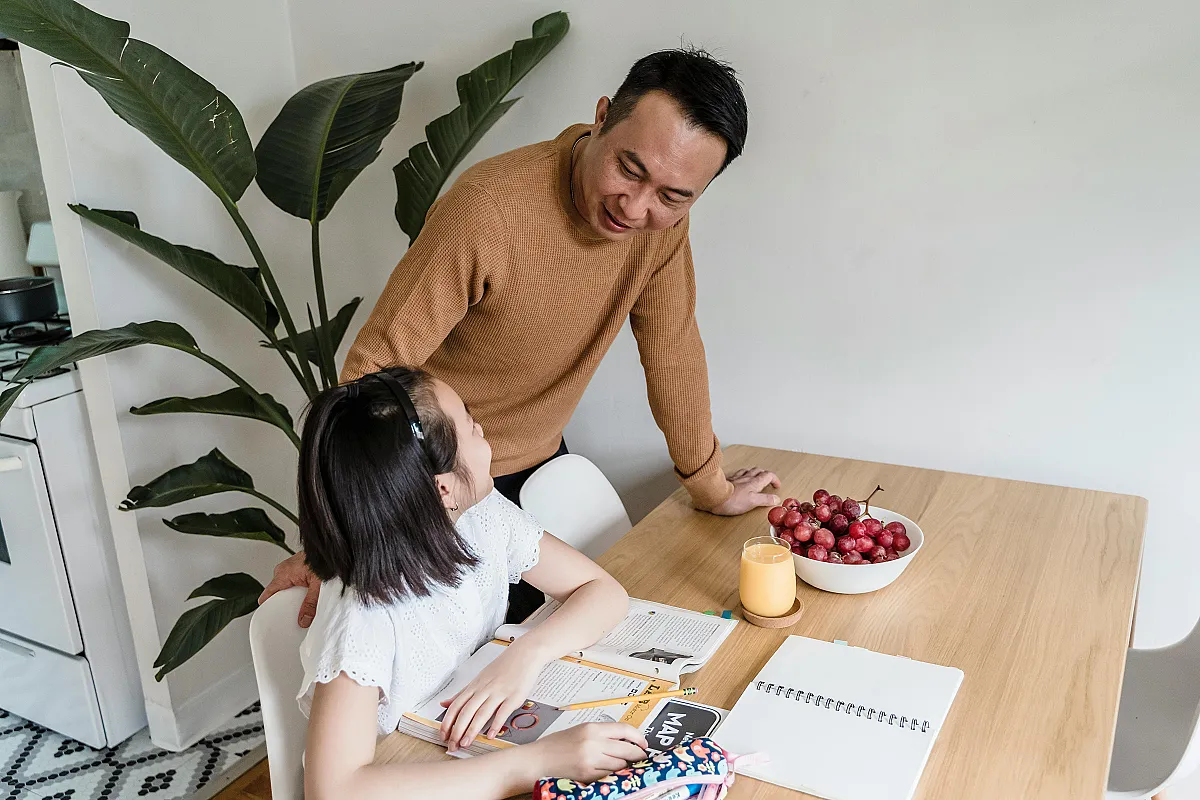
Motivation plays a key role in learning, especially for children. When a child loses interest in learning, it can lead to lower academic performance, loss of self-confidence, and even conflict with parents and teachers. Understanding how to motivate a child to learn can be a crucial factor in their successful development. In this article, we will look at the main causes of low motivation and offer practical tips to help parents and educators maintain and develop a child’s interest in learning.
Reasons for Low Motivation
The causes of low motivation in children can be diverse. They are divided into internal and external factors, each of which requires a special approach.
Internal factors These include personality traits such as low self-esteem, fear of failure, and lack of self-confidence. If a child encounters learning difficulties, it can undermine their confidence and they will start avoiding challenging tasks to avoid frustration.
External factors Often associated with a lack of interest in educational material. If the child does not see the meaning in the studied subjects, he may lose motivation. The environment also plays an important role: the influence of friends who may not value learning and the negative impact of media can weaken the desire to learn. Finally, a non-supportive learning environment in which a child does not receive proper support and understanding from teachers or parents can be an additional hurdle.
Types of motivation
Motivation can be of two types: internal and external. Understanding these types helps you choose the right approach to your child.
Internal motivation
It is based on interest in the subject and desire for self-development. Children who are internally motivated learn for the pleasure of the process and learning new things. They tend to be more resilient to failure because they find joy in learning.
External motivation
It is associated with the desire to receive compensation or avoid punishment. It could be praise, good grades, or parental approval. While extrinsic motivation can be effective, it often results in the child learning for the sake of the outcome, not for the sake of the process.
Practical tips for increasing motivation
Creating a positive learning environment
It is important to organize a comfortable and peaceful workplace for the child, where he can concentrate on his studies. Regularly maintaining interest in learning through games and practical exercises will help make the learning process more fun. For example, using educational applications or sharing projects can turn learning into a fun activity.
Setting goals and tracking progress
Helping a child set achievable and measurable goals can significantly increase their motivation. Together with your child, determine what tasks he wants to perform, and regularly monitor his progress. Recognition of successes, even the smallest, and encouragement will help the child feel satisfied with the work done and inspire further efforts.
Development of internal motivation
Encouraging curiosity and self-search for knowledge plays a key role in the development of intrinsic motivation. Let your child explore topics of interest and support them in doing so. It is important to focus on the positive aspects of learning and encourage the child to ask questions, seek answers and share their findings.
The role of parents and teachers
Parents and teachers play an important role in motivating a child. Constant feedback and support will help your child feel that their efforts are appreciated. The example of parents and teachers is also a powerful motivating factor. If the child sees that adults themselves are passionate about learning and self-development, he will strive to follow their example.
Avoidance of pressure and coercion
Excessive pressure from parents and teachers can lead to the opposite effect – the child will begin to perceive learning as a duty, not as an exciting process. It is important to give the child freedom of choice and allow him to make his own decisions. This will strengthen your sense of responsibility and motivation to study.
Conclusion
Motivation of a child to learn is a process that requires patience, understanding and constant support. It’s important to remember that every child is unique, and approaches that work for one may not work for the other. Parents and teachers need to work together to create an environment in which children feel confident and motivated. Support, a positive learning environment, setting achievable goals and developing intrinsic motivation all play a key role in a child’s successful learning. As a result, he will not only achieve academic success, but also learn to enjoy the process of learning.

Leave a Comment