

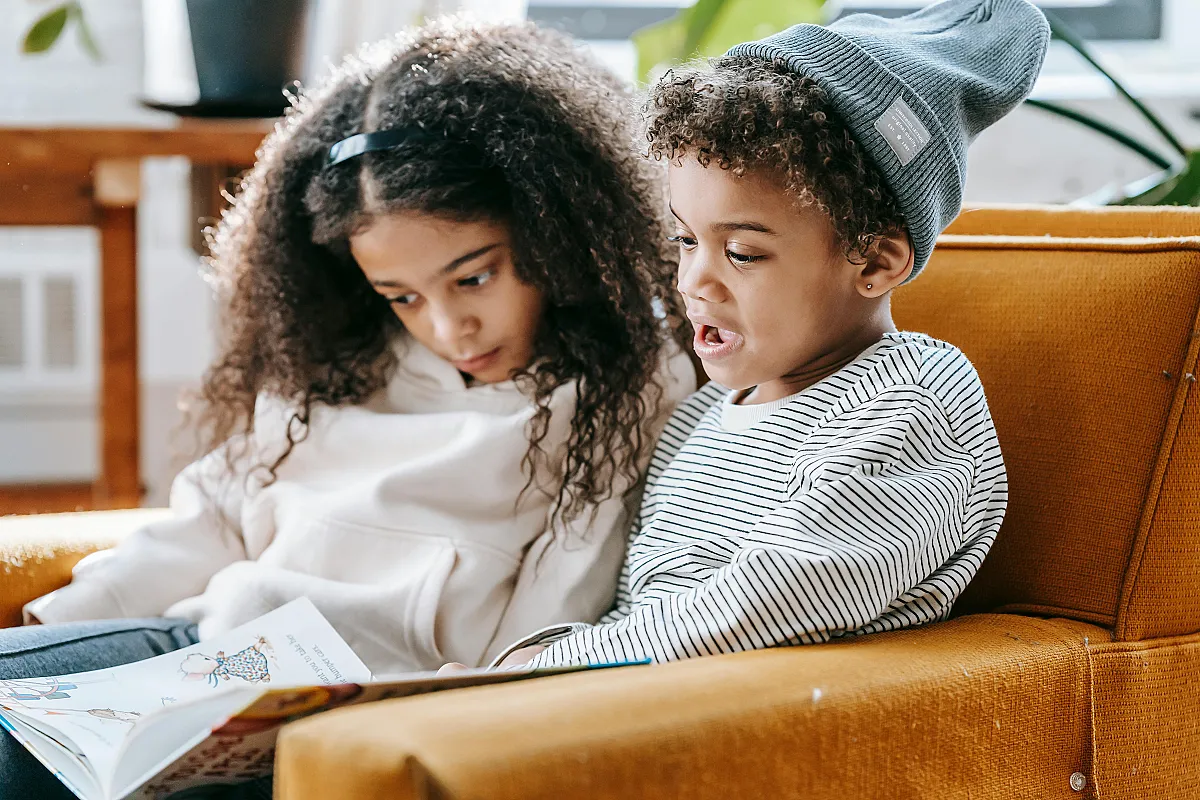
What should parents do to ensure that the child develops fully? It is clear that you will not enroll a child in all the circles and sections at once, it is very difficult to fit this diversity into the modern pace of life, and it is not easy for a child. In this article, we talk about the comprehensive development of a preschool child: on what principles it is built and how competently it can be organized in the conditions of the modern rhythm of life.
Principles of comprehensive child development
Every person from birth has certain abilities and talents, expressed interest in a particular occupation. As a rule, parents try to pay more attention to the development of the strengths of children, not paying attention to the weaknesses. But that's not right.
If we are talking about the harmonious development of the physical, intellectual and spiritual aspects of the personality, then all aspects should be given equal attention.
For example, if a preschooler is strong in any sport, he may well also draw, write, count, be able to communicate and make acquaintances. It's just important to work on it.
Comprehensive development of the child directly affects the development of the individual as a whole. It is based on clear statements and ways of education that should be applied in the family.
This includes comprehensive development
1. Physical activity, strength development, endurance, health care, hardening and proper nutrition
Every child needs to develop physically. Sport helps to strengthen immunity, improve coordination of movements, increase endurance and develop determination.
There are many sports and choreographic sections for preschool children, where each child can choose activities according to interests. The main thing here is that he does not refuse to engage, properly organize the regime of the day, providing him with enough time for games and rest.
As for health care, it all depends on the habits that the child learns in the family. Starting with the rules of personal hygiene, to food preferences and methods of healing.
2. Intellectual development
Surely you immediately come to mind the skills of reading, writing and counting. In fact, the development of intelligence occurs at a deeper level.
Here attention is paid to such thought processes as attention, memory, logic, spatial and critical thinking, analysis. This is the foundation on which it depends how simple the child will be given knowledge and further training.
3. Social development
Social development is the formation of skills that are necessary to interact with people.
An important part of our lives is interpersonal relationships. This includes communication skills, the ability to share ideas, make friends, collaborate in a team, etc.
4. Emotional development
All parents are familiar with IQ, but few people know about EQ. Namely, these skills help us to keep ourselves in control in stressful situations, easily get along with people, bring things to the end, achieve goals and conquer even the most impregnable peaks. These are emotional intelligence skills.
Children who have well-developed emotional intelligence are better concentrated, easier to converge with peers, cope with difficult situations and are able to empathize.
Read also: Developing Emotional Intelligence in Children
5. Creative development
Creativity helps the child to create a psychophysiological base for comprehensive development, and also brings pleasure and joy. Through creativity, children learn to express their feelings and emotions.
6. Spiritual development
These are life guidelines: values, norms and principles of morality, which are very important to lay a small person in childhood.
How to create conditions for the comprehensive development of preschool children
In fact, it is not difficult to organize the comprehensive development of a preschool child, it is enough just to draw up an approximate action plan and try to follow it.
Regarding physical developmentIt is not necessary to enroll the child in sports sections, it is enough to walk more in the fresh air, play outdoor games, monitor the regime of the day and a balanced diet.
To provide the child intellectual development, It is very important to discuss with him on different topics, read books on interests, attend various cultural events, galleries, exhibitions, etc.
Social development First of all, communication in the circle of relatives. It is among the loved ones that the child learns the first skills of communication and interaction with other people. Actively engage in dialogue when the child tells something, ask questions, take into account the opinion of the younger family member.
Also, do not limit the communication of the child with peers. If the child does not attend kindergarten, try to visit the playgrounds more often, encourage friendship with peers.
Emotional development The atmosphere in the family also responds. It is very important that the baby from the first days grew up in a trusting atmosphere and felt closeness with relatives. Always support your child, surround him with care, together solve the difficulties that he has, and discuss experiences and feelings.
Always encourage. creativeness Don’t criticize your child’s masterpieces. If the child especially likes something, be sure to write it down for a circle.
Conversations about morality and morality will help instill in the child important values: justice, honesty, kindness, mercy, love and compassion.
For children, fairy tales are ideal in this regard. They love stories and through their plots for the first time get acquainted with the basic concepts of “good – evil”, “good – bad”, “bold – cowardly”, etc.
Unfortunately, the school is not able to provide children with full development, so regular work on the part of parents is necessary. Take an active part in your child’s life and help them with everything. It is up to us adults to determine how our generation of the future will grow.


Leave a Comment