

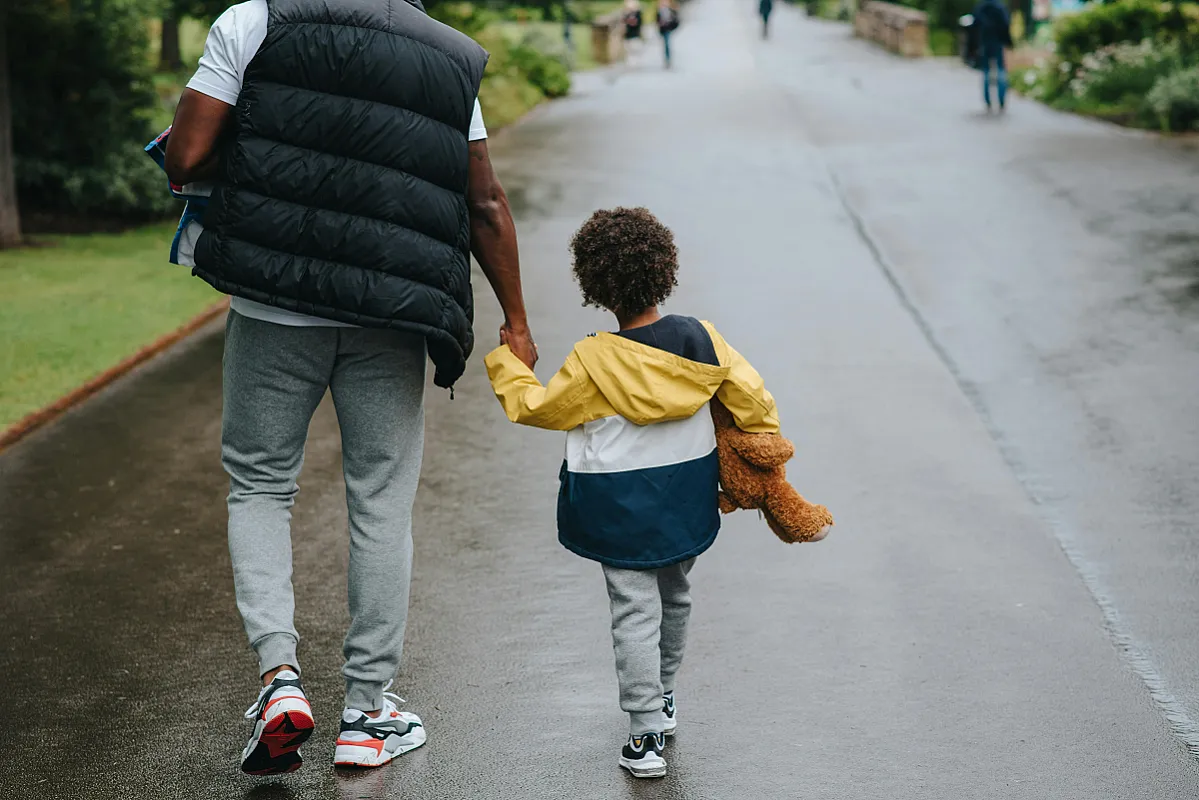
What are we talking about? A child who doesn't want to go outside is a familiar sight to many parents. Apart from simple laziness, common reasons for this protest include a preference for more interesting activities at home, health problems, dislike of a particular season, or communication difficulties.
What should you pay attention to? A child's unwillingness to go outside requires a compromise, as a sedentary lifestyle and lack of fresh air can lead to poor overall health, poor posture, decreased visual acuity, and vitamin D deficiency.
Why is it important for children to go outside?
Many modern schoolchildren do not get enough exercise. They spend most of their day doing lessons, homework, and extracurricular activities. There is not much free time left, and even if there is, the child does not want to go outside. Nowadays, children (like adults) prefer online games to active ones.
At first glance, outdoor games seem inferior to virtual entertainment: there are fewer vivid emotions and dynamics, and sometimes there is simply a lack of company or interesting ideas for passing the time. But if you think about it, not going outside can seriously harm a child's health.
What is the danger if a child does not want to go outside? Lack of fresh air and exercise can have serious consequences.
Problems with the musculoskeletal system
A sedentary lifestyle leads to poor posture, slower bone growth, and even the development of scoliosis. Over time, this can develop into osteochondrosis, intervertebral hernias, and chronic back pain.
In addition, lack of exercise affects overall physical development, including the growth and formation of internal organs.
Eating disorders
Without active outdoor games, children often lose their healthy appetite or, conversely, develop a craving for unhealthy snacks. Chips, sweets, and fast food all become "substitutes" for a normal diet, leading to excess weight, especially in teenage girls.
Deterioration of emotional state
A sedentary lifestyle reduces the level of serotonin, the hormone of happiness. Children who rarely go outside are more likely to suffer from anxiety, irritability, and even neurosis. Playing outdoors and exposure to sunlight naturally improve mood and help combat stress.
Deterioration of vision
Sitting for long periods of time doing homework and using gadgets increases the risk of myopia. On the other hand, playing outside, especially focusing on distant objects, is excellent prevention for the eyes.
Vitamin D deficiency
Sunlight is the main source of this essential vitamin, which affects immunity, bone growth, and overall child development. Without regular walks, the body does not get enough of it, and then you have to make up for the deficiency with pharmacy preparations.
So, being outdoors is as important a part of the daily routine as sleep or eating. If your child does not want to go for a walk, it is worth gently but persistently changing their habits. The best way is to set a personal example and offer interesting activities: bike rides, games in the yard, trips to the park.
Why does my child not want to go for a walk?
The phrase "Go for a walk, it's good for you!" often causes resistance in children. Persuasion, manipulation, and punishment don't work here — it's important to understand the real reasons why your child doesn't want to go for a walk. There is always a specific reason behind their refusal to go for a walk, ranging from physical discomfort to psychological barriers.
Let's look at the main reasons why a child doesn't want to go outside.
Health problems
If a child is often ill or has chronic diseases (such as asthma or allergies), being outside may cause them discomfort. Cold air, pollen, or exhaust fumes can make them feel worse. In this case, it is important to consult a doctor and find the optimal walking routine.
Difficulties in communicating with peers
The neighborhood gang is not always friendly. If a child is faced with ridicule, aggression, or simply cannot fit into the game, they will avoid going outside.
The task of parents is to gently help them develop communication skills and, possibly, find a more suitable social circle.
Home hobbies are more interesting than outdoor ones
Modern children often prefer virtual worlds to real ones: computer games, social networks, and YouTube seem much more interesting to them. In this case, it is better not to ban gadgets, but to offer an alternative, such as outdoor quests, bike rides, or photo hunts for interesting natural objects.
Discomfort due to the weather
This is a common reason why children don't want to go outside in winter or in the middle of summer. Not surprisingly, they may simply feel uncomfortable. The solution is simple: choose comfortable clothing for the season, avoid going outside during the coldest or hottest times of the day, and focus on enjoyable activities (such as playing in the water in summer or sledding in winter).
Sometimes the reason may be psychological. For example, fear of dogs, insects, or the dark. Children are often troubled by general anxiety, which makes them reluctant to leave their "comfort zone."
Unpleasant memories can also get in the way. For example, if they got lost in the park or fell off a swing. In such cases, it is important to calmly discuss their experiences with the child and gradually, without pressure, expand the boundaries of their safe space.
What to do if your child does not want to go outside
What to do when all possible medical reasons have been ruled out, but the child still doesn't want to go for a walk? It is important to act delicately here. Harsh pressure will only increase resistance. Instead, try the following strategies.
Have a frank heart-to-heart talk
Sit down together and calmly discuss what exactly your child doesn't like about going for walks. Perhaps it's conflicts with other children, a lack of interesting activities, or physical discomfort. It's important to really listen to your child and understand their feelings, rather than just asking them perfunctorily.
Suggest a temporary compromise
For example, short 20-minute outings instead of long walks, visiting less crowded places (a quiet park instead of a noisy playground), or walking together with parents.
Exciting outdoor activities
Turn the street into a space for adventure. For example, organize a treasure hunt, try unusual activities (roller skating, flying a kite, drawing with 3D chalk), or start a family tradition.
For example, agree to go cycling and have a picnic every Sunday.
Help with socialization
If the problem is communication, first of all, develop communication skills through role-playing games at home. You can enroll your son or daughter in a themed club based on their interests.
Digital detox
To increase interest in offline life, gradually reduce screen time. For example, introduce "gadget-free hours" into the schedule and offer alternatives: board games, creative workshops, and so on. But most importantly, set a personal example and put your phone away more often yourself.
Get professional support
If the situation does not change for months, it is worth consulting with specialists. For example, a psychologist, psychotherapist, neurologist, or social educator.
Important! Do not compare your child with others. Each person is unique. Some people need more time to learn to enjoy active recreation. The main thing is to be patient and supportive, not coercive.
What your child can do outdoors
Active outdoor games are not only a natural way to stay in shape, but also an excellent prevention of various diseases. If your child does not want to go for a walk, there are several creative ways to change that.
Consider your child's interests
Use your imagination to adapt your child's favorite activities to outdoor conditions. Forcing children to go outside usually has the opposite effect. It is better to suggest:
- Joint outdoor training if your child is interested in sports.
- Reading their favorite books on a park bench
- Making crafts from natural materials.
- If your child doesn't want to go for a walk with their mother, send their father/nanny/grandmother with them. Or let them go alone if their age allows it.
Start with what your children love.
Game lottery
Create an "idea bank" with notes listing various outdoor activities. Let your child choose the task themselves. You can come up with options together.
Examples:
- A short trip to the nearest park.
- Caring for plants in the garden.
- Building a sand city.
- Water gun fights.
- Picking wildflowers.
This method is especially good for indecisive children who find it difficult to come up with activities on their own.
Discover new activities
Children copy their parents' behavior. If you want to get your child interested in outdoor activities, get involved yourself. You can come up with an activity that will be interesting for family members of all ages. For example, searching for "treasures" using GPS (geocaching), excursions with quest elements, ice skating in winter, badminton
If you don't have time, get your relatives involved — perhaps the grandparents would enjoy taking the children fishing or hiking.
Move your household chores outside
You can use your yard or balcony for homework, meals, creative activities, or board games.
When the weather is nice, everyday activities become much more interesting in the fresh air.
Water games
Many children love to play with water, but for obvious reasons, adults forbid them to do so in the apartment. Water squirters, water guns, inflatable pools, and boat races can be great motivators to get outside.
Walking
If you like walking, get your children involved. Start with short walks: trips to the nearest park or lake, exploring the neighborhood. Gradually increase the time and length of the routes, taking into account your child's preferences.
Fun picnics
A picnic is the perfect way to combine business with pleasure: relaxing in nature and active games for children. Organizing such an event is easier than easy, the main thing is to wait for a sunny day. During the picnic, children can play active games, and during breaks, eat their favorite sandwiches, sweets, or even kebabs.
A picnic is also a great way to spend time together if your child doesn't want to go for a walk with their parents.
So, regular walks and active outdoor recreation help schoolchildren strengthen their physical health, develop coordination, increase endurance, and make new friends.
Remember that time spent in nature is not just entertainment, but an important element of a child's harmonious development. Such walks contribute to both physical health and social adaptation. Therefore, be sure to include them in your family's daily routine!
What games can you play on a walk?
We have figured out why a child does not want to go for a walk. How can we change the situation? The most important thing is to make being outside truly exciting!
In addition to traditional picnics and walks, there are many active games from our childhood that can captivate children so much that they won't want to go home.
Here are just a few of them:
- Relay races and "fun starts." Come up with fun tasks: running with a ball between your knees, jumping with your legs tucked in, or walking in a "goose step."
- A track for young racers. For children who have mastered riding a bike or scooter, create an obstacle course out of plastic cones and hold a competition for speed/accuracy in completing the course.
- Creative "Hopscotch." Modernize the traditional game. Draw unusual shapes with chalk, add tasks in each sector, and use not only jumps but also different ways of moving.
- "Hot Potato." The essence of the game is to throw the ball to each other. You can make it more difficult. For example, add a second ball or reduce the circle with each round.
- Another variation of the ball game is to bounce the ball on the ground 5 times and name cities or animals with each bounce.
- Water relay. You will need 2 teams, 2 buckets of water, and 2 empty buckets. Participants must transfer all the water from the full bucket to the empty one using a mug, spilling as little liquid as possible along the way. You can make the game more spectacular. For example, by adding colored water or different containers.
- Flying disc games. Frisbee can be played in pairs or as a whole team.
- Archaeological excavations. You can bury a "treasure" (in the form of toys or treats) in a sandbox or yard, mark the spot with flags, or even draw a map. The children must find their treasures.
These are just a few of the possible activities. Experiment, come up with new rules, combine different games — and every walk will become a long-awaited adventure for your child. The main thing is to keep them interested by regularly offering new options for outdoor games.
Frequently asked questions about a child's reluctance to go for a walk
Turn walks into an exciting process of learning about the world through games and active activities — this is the best way to instill useful habits in a child who does not like to be outside.
What to do if your child doesn't want to go for a walk alone?
The solution is obvious: keep them company or help them find suitable friends. The ideal option is to organize communication with peers.
Take a look at the children in the yard and suggest that they get to know the neighborhood kids or classmates. Playing together in the yard will be a great incentive to go for walks.
What should you do if your child is unable to go outside and socialize with friends?
As a temporary alternative, use a ventilated balcony, open terrace, or loggia, or the yard of a private house. Although this is not a complete replacement for active outdoor games, this option will help them get some fresh air and sunlight.
Is reluctance to go for a walk always associated with serious problems and conflicts with peers?
Of course not. In most cases, the refusal to go for a walk is explained by simple everyday reasons: unwillingness to get dressed/undressed, lack of interesting activities outside, habit of passive recreation with gadgets.
Sometimes children are simply too lazy to arrange to meet up with friends. It is much easier to chat on messenger and play online games.
The benefits of walking in the fresh air are undeniable. They play a key role in strengthening health. Regular outdoor activities help the body resist disease, provide the necessary dose of vitamin D, and improve motor skills and physical fitness.
In addition, clean air increases productivity and has a beneficial effect on emotional well-being.
It is important to take into account the individual preferences of children, gently suggesting activities that they will not only enjoy but that will also have a positive impact on their physical and mental development.


Leave a Comment